Diabetic Ulcer Treatment in Las Vegas, Nevada
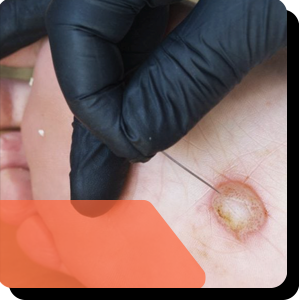
A diabetic foot ulcer is one of the most serious problems we manage at Eastern Podiatry, and it is also one of the most treatable when it is caught early. If you have diabetes and notice any open area on your foot, don't wait it out. Call our Las Vegas office and let Dr. Kha Nguyen or Dr. Julia Dafforn take a look.
What a diabetic ulcer actually is
An ulcer is an open sore or wound, most often on the bottom of the foot, that develops in roughly 15 percent of people with diabetes at some point. About six percent of those who develop one end up hospitalized because of infection or another complication. Ulcers can appear as blisters, cuts, cracks, sores, redness, white patches, thick calluses, or areas of discoloration. The look varies, which is part of what makes them easy to miss.
Don't wait for pain to warn you
Here is the part that surprises many patients: a diabetic ulcer often doesn't hurt. Nerve damage in the feet can dull or erase the pain signal entirely, so a wound can grow for days before you notice it. Even a spot that feels unusually warm or cold can be your only clue. That is exactly why we recommend a quick visual check of your feet every single day, and a professional exam at the first sign of anything that isn't healing.
How we treat ulcers at Eastern Podiatry
Because our doctors are trained in reconstructive foot and ankle surgery, we can manage an ulcer from the first dressing all the way through advanced intervention if it's needed. Care typically combines offloading pressure from the wound, cleaning and debriding dead tissue, controlling infection, and specialized dressings — with surgery reserved for correcting the underlying deformity or removing non-viable tissue when conservative care isn't enough. The goal is always the same: heal the wound and keep you walking.
Frequently Asked Questions
I have diabetes but my foot doesn't hurt. Do I still need to come in?
Yes. Diabetic ulcers are frequently painless because of nerve damage. A wound that doesn't hurt can still be serious, so any open area, callus that's changing, or spot of discoloration should be seen promptly.
How quickly should a diabetic ulcer be treated?
As soon as you spot it. Early treatment is the single biggest factor in avoiding infection and hospitalization, so call us the same day you notice a wound.
Will I need surgery for a foot ulcer?
Not usually. Most ulcers heal with offloading, wound care, and infection control. When a bone deformity keeps causing pressure, our surgeons can correct it; but that's a decision we make together, only if conservative care stalls.
What is offloading?
It means taking pressure off the wound so it can heal. Often with a special shoe, boot, cast, or brace. Even brief pressure on a healing ulcer can set recovery back, so consistent offloading matters.
Related Services
Diabetic Foot Care | Wound Care | Neuropathy Testing
Request an appointment.
Call Eastern Podiatry at (702) 434-2023 or request online. 3777 Pecos-McLeod Interconnect, Suite 103, Las Vegas, NV 89121. Mon–Fri, 8 AM–5 PM.