Diabetic Foot Care in Las Vegas, Nevada
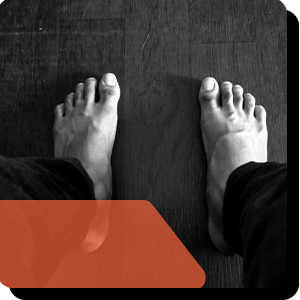
For anyone living with diabetes in the Las Vegas valley, the feet deserve special attention. They're where diabetes tends to cause its most serious and most preventable problems. Regular care with Dr. Nguyen and Dr. Dafforn is one of the smartest investments you can make in staying mobile and out of the hospital.
Why diabetes targets the feet
Uncontrolled diabetes damages both nerves and blood vessels, and the feet take the brunt of it. Diabetic neuropathy, driven by high blood sugar, damages the nerves so injuries can go unfelt and unnoticed. Peripheral vascular disease narrows the arteries feeding your feet, and the reduced blood flow slows healing, setting the stage for problems like diabetic ulcers.
The ulcer risk in plain numbers
Diabetic foot ulcers are open sores that won't heal properly, and they affect an estimated 19 to 34 percent of people with diabetes over a lifetime. They're highly prone to infection, which in the worst cases leads to amputation. The encouraging flip side: consistent professional foot exams have been shown to reduce amputation rates by 45 to 85 percent. Prevention genuinely works.
Warning signs to bring in
- Numbness in the feet
- Tingling
- Swelling
- Slow-healing wounds
- Discoloration
- Persistently cold feet
What our diabetic foot care includes
We offer a focused range of diabetic foot services:
- Offloading: Reducing pressure on a wound with custom orthotics, casts, braces, or other specialized devices.
- Wound dressing: Cleaning the wound, applying topical medication, and dressing it properly.
- Debridement: Removing dead tissue so healthy tissue can heal.
When conservative care isn't enough, surgery can correct deformities that keep putting pressure on a wound. In cases of fully necrotic tissue, partial amputation may be necessary to protect your health. The very outcome that steady preventive care is designed to avoid.
Frequently Asked Questions
How often should I have my feet checked?
At least once a year for a comprehensive exam, and more often if you have neuropathy, poor circulation, or a history of ulcers. We'll set a schedule that fits your risk.
What should I look for at home each day?
Check the tops, soles, and between the toes for cuts, blisters, redness, swelling, or color changes. Use a mirror or ask for help if you can't see the bottoms, and report anything that isn't healing.
Why are minor foot injuries such a big deal with diabetes?
Reduced sensation means you may not feel an injury, and poor circulation slows healing. A small wound can become infected before you notice it.
Can regular care really prevent amputation?
Yes. Routine professional foot exams and early treatment of wounds dramatically reduce the risk of severe complications.
Related Services
Diabetic Ulcers | Wound Care | Neuropathy Testing | Orthotics
Request an appointment.
Call Eastern Podiatry at (702) 434-2023 or request online. 3777 Pecos-McLeod Interconnect, Suite 103, Las Vegas, NV 89121. Mon–Fri, 8 AM–5 PM.