Plantar Fasciitis Treatment in Las Vegas, Nevada
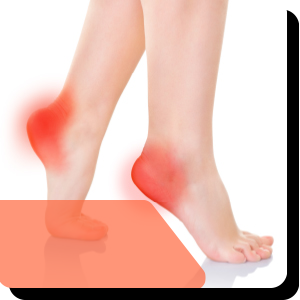
If your first steps out of bed feel like a nail in the heel, plantar fasciitis is the likely culprit. It’s one of the conditions Eastern Podiatry treats most. With the right plan, the large majority of patients get better without surgery.
How to know it’s plantar fasciitis
The hallmark is sharp heel pain, most notorious for striking with those first morning steps. It can also hit when you stand after sitting a while; it tends to ease as you walk, then returns the next time you get up. Athletes often feel it after activity rather than during. Many people with plantar fasciitis also develop heel spurs. And in most of those cases, plantar fasciitis is the root cause of both the spur and the pain.
What sets it off
Foot structure is a big factor. Flat feet or very high arches both raise your risk. Other common contributors:
- Running and jumping, which load the plantar fascia hard
- Long hours standing on hard surfaces in unsupportive shoes (teachers, nurses, hospitality and casino workers know this one well)
- Extra weight, which increases the load the fascia has to carry
How we treat plantar fasciitis
Most cases respond well to noninvasive care:
- Targeted stretches for the plantar fascia
- Supportive footwear
- Ice to bring down inflammation
- Rest so the tissue can recover
If that isn’t enough, we step up to:
- Custom orthotics to offload the heel
- A night splint that keeps the fascia gently stretched while you sleep
- A walking cast to relieve pressure and allow healing
- Corticosteroid injections for inflammation and pain
- Physical therapy for the fascia and calf muscles
Surgery is rarely necessary. Most patients do very well with the conservative measures above. Don’t keep limping through your mornings. Call Eastern Podiatry and let’s put an end to the heel pain.
Frequently Asked Questions
Why is the pain worst in the morning?
The fascia tightens overnight, so your first steps stretch it suddenly and painfully. It often eases as you warm up, then returns after periods of rest.
How long does it take to heal?
With consistent treatment, many people improve over several weeks to a few months. Stretching, supportive shoes, and orthotics speed things along.
Are plantar fasciitis and heel spurs the same thing?
No, but they’re closely linked. Plantar fasciitis is often the underlying cause of both the heel pain and any spur that shows up on X-ray.
What can I do at home right now?
Stretch the calf and foot, ice the heel, rest, and wear supportive shoes. If the pain lasts beyond a couple of weeks, come in before it turns chronic.
Related Services
Heel Pain | Orthotics | Sports Injuries
Request an appointment.
Call Eastern Podiatry at (702) 434-2023 or request online. 3777 Pecos-McLeod Interconnect, Suite 103, Las Vegas, NV 89121. Mon–Fri, 8 AM–5 PM.